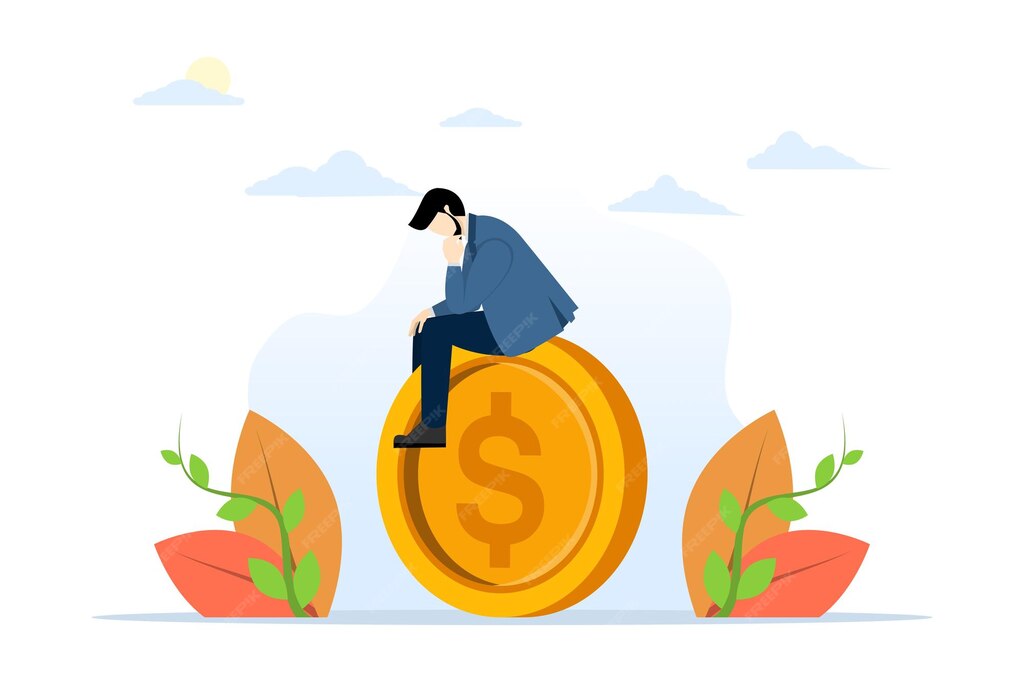
The Silent Crisis: Why Founder Wellness Is the Most Undervalued Metric in Startups
 Baltej Singh5 min read
There's an uncomfortable truth lurking behind every pitch deck, every product launch, every late-night Slack thread: the person building the company is falling apart. Not always visibly. Not always dramatically. But slowly, quietly, and almost inevitably.
Founder wellness isn't a soft topic. It's a business-critical one. And it's time we treated it that way.
The Glorification of Grind
Startup culture has long celebrated exhaustion as a badge of honor. Sleeping under your desk. Skipping meals to ship features. Canceling vacations because "we're so close." The mythology is powerful — and deeply destructive.
The data tells a different story than the hustle-porn narratives. Founders experience depression at rates significantly higher than the general population. Anxiety, burnout, and substance use issues are rampant. And yet, the pressure to project confidence — to investors, to employees, to the market — keeps most founders silent.
Here's the paradox: the very traits that make someone a great founder — relentless drive, high tolerance for risk, deep personal identification with the mission — are the same traits that make them vulnerable to burnout. The engine that powers the company is the same engine that overheats.
What Burnout Actually Looks Like in Founders
Burnout doesn't always announce itself with a dramatic collapse. More often, it's a slow erosion. Watch for these patterns:
Decision fatigue masquerading as strategy. When every choice feels equally overwhelming — from hiring decisions to what to eat for lunch — it's not a sign you need a better framework. It's a sign your cognitive reserves are depleted.
Emotional withdrawal from the team. Founders who once thrived on collaboration start closing their doors, literally and figuratively. They stop seeking input. They become reactive rather than visionary.
The identity collapse. This is the most dangerous one. When the boundary between "the company" and "me" dissolves completely, every setback becomes a personal failure. Every criticism of the product becomes a criticism of your worth. Your self-esteem becomes pegged to your MRR.
Why Investors Should Care
Let's make the business case, because sometimes that's what it takes to get attention in this world.
A burned-out founder makes worse decisions. They hire reactively. They avoid hard conversations. They chase short-term metrics at the expense of long-term strategy. They become risk-averse at exactly the moment the company needs bold moves — or reckless at the moment it needs discipline.
The most expensive thing in a startup isn't a failed product launch or a bad hire. It's a founder who's too depleted to course-correct when things go sideways. And things always go sideways.
Smart investors are starting to ask about founder wellness the way they ask about unit economics. Not because they're being charitable — because they're being strategic.
What Actually Works
After years of watching founders cycle through burnout and recovery, a few practices consistently make a difference. None of them are revolutionary. All of them are hard to maintain.
Protect one non-negotiable. Pick one thing — sleep, exercise, a weekly dinner with someone you love — and defend it with the same ferocity you'd defend your cap table. Just one. The goal isn't a perfect wellness routine. It's an anchor that keeps you tethered to something outside the company.
Build a peer network that isn't performative. Not a networking group. Not a mastermind where everyone is subtly competing. Find two or three founders who will tell you the truth and listen to yours. The loneliness of founding a company is real, and it compounds over time.
Separate identity from outcome. This is the hardest one, and it's a practice, not a destination. You are not your startup. Your startup might fail — statistically, it probably will — and you will still be a whole person on the other side of that. Building a company is something you do. It is not something you are.
Get professional support before you need it. Therapy, coaching, or counseling shouldn't be the thing you try after the crisis. It should be maintenance, like servicing the engine before it seizes. The best time to find a therapist is when things are going well. The second best time is now.
Learn to delegate your anxiety. Many founders hold onto tasks not because they're the best person to do them, but because doing them provides a sense of control. Letting go of low-leverage work isn't just good management — it's an act of self-preservation.
A Note on the "Just Take a Break" Advice
People love telling founders to take breaks. And they're not wrong, exactly. But the advice misses the point. The issue isn't usually a lack of vacation days. It's a nervous system that doesn't know how to downshift. It's a mind that runs spreadsheets at 2 a.m. whether you're at your desk or on a beach.
The real work isn't taking a break. It's building a life and a company structure where breaks are actually restorative — where you can step away without the whole thing unraveling, and where you can be present in your own life without guilt.
That requires systems, delegation, trust in your team, and a fundamental reorientation of what "founder mode" actually means.
Redefining Strength
The strongest founders I've seen aren't the ones who never break down. They're the ones who build the self-awareness to notice when they're approaching the edge, the humility to ask for help, and the discipline to invest in their own sustainability.
Building a company is a long game. The founders who last aren't the ones who sprint hardest. They're the ones who learn to run at a pace they can sustain — and who understand that taking care of themselves isn't a distraction from the mission.
It is the mission.
If you're a founder struggling right now, you're not alone — and you're not weak. Reach out to a mental health professional, talk to a trusted peer, or simply start by admitting to yourself that you're human. That's not a liability. It's your greatest asset.
Founder @Nautis | The Founder Systems Architect